• Call Us – Desktop

    CALL US NOW: (+351) 258 82 1751
    OR
    0871 218 1751 (local UK rates)
  • Call Us – Mobile

  • The Diplomatic Tourist


    Slow Travel Through the Pousadas of Portugal
     

    pousada-of-portugal -tavira-exterior-cloister

    Some journeys feel less like travel and more like a return. My recent trip through the Algarve — revisiting the Pousadas of Estoi and Tavira — carried that quiet sense of coming back to something familiar. Portugal shaped me deeply during my diplomatic service there from 2002 to 2005, and it has a way of calling you back with a gentleness that’s hard to resist.


    Many travelers arrive in Portugal for its coastlines, its food, its warmth, its nightlife. All of that is real and I enjoy that too. But there is another Portugal, one that reveals itself only when you slow down, change direction, pay attention, and allow history to guide your steps. That Portugal lives most vividly in the Pousadas of Portugal.


    The Pousadas of Portugal are historic palaces, monasteries, convents, castles, and manor houses that have been carefully restored and opened to travellers. They are places where the past is not displayed behind glass; it is lived in the architecture, the atmosphere, and the stories embedded in the walls.


    During my diplomatic posting, I stayed in several. Each one offered a different vantage point into Portugal’s identity — maritime, monastic, rural, aristocratic. Returning now, two decades later, I found that same quiet magic waiting for me.
     

    POUSADA-Portugal-ESTOI

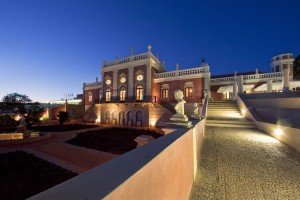
    Pousada of Estoi: A Palace Suspended in Light

    The Pousada Palácio de Estoi is a rococo palace where time seems to slow of its own accord. Its soft pink façades, sculpted gardens, and lingering light create an atmosphere that is both elegant and unhurried. Walking through its terraces again, I felt the same sense of gentle suspension I remembered from years ago. Estoi offers grandeur without noise, beauty without crowds.


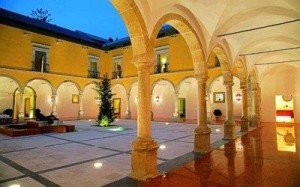
    Pousada of TaviraPousada of Portugal - Tavira: A Cloister of Stillness
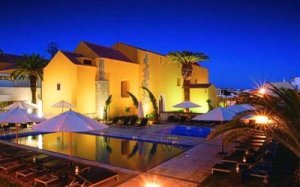
    Tavira’s Pousada, housed in a former convent, is a place where silence feels intentional. The cloistered courtyard, the arches, the cool stone — they create a stillness that modern travel rarely allows. When I first visited in the early 2000s, I was struck by how timeless it felt. Returning now, nothing had changed, and that was the gift.
    Tavira invites you to slow down: mornings that unfold quietly, meals that stretch into conversation, evenings that feel unhurried.


    Slow Travel: A Diplomat’s Way of Seeing the Pousadas of Portugal

    Diplomacy teaches you to observe — not just what people say or what you see but how a place feels, how history shapes behaviour, how culture reveals itself in small gestures. Diplomacy teaches you to travel with curiosity, attentiveness and humility. Diplomats adapt to the pace of the country they live in. Slow travel is built on the same principles. It’s the difference between passing through Portugal and understanding it.


    It means:

    • lingering in a village café long enough to sense the rhythm of local life;
    • exploring a town in its entirety. The churches, the castles, the squares and the markets for sure. But also to step away to explore the backstreets. This is where a country truly reveals itself, where the rhythm changes and the noise softens;
    • asking about the origins of a regional dish. You are not just asking about a meal; you’re inviting a story, a memory, a piece of identity; and
    • routes that follow stories don’t start with maps; they start with a question. Why was this monastery built here? Why did people choose to live here?
    •  

    The Pousadas make this kind of travel natural. They anchor you in history, and from that vantage point, Portugal becomes not just a destination but a story.

    If you’re planning a journey to Portugal, consider staying somewhere with history in its walls. Let the country unfold at its own pace. The Pousadas of Portugal let you explore Portugal’s history and stories while enjoying the comfort of modern luxury.

    If you travel slowly Portugal will not only open its doors it will open its soul!
     

    Paul Welsh is a British Diplomat who has lived and worked in 12 counties in Europe, Africa, Asia and Oceania. He was posted to the British Embassy in Portugal between 2002 to 2025.

    Posted in Blog, The Algarve | Tagged , , | Comments Off on The Diplomatic Tourist

    All-inclusive in The Algarve

    If you are planning your next holiday in The Algarve why not consider an all-inclusive option? The pros and cons you should know before booking.

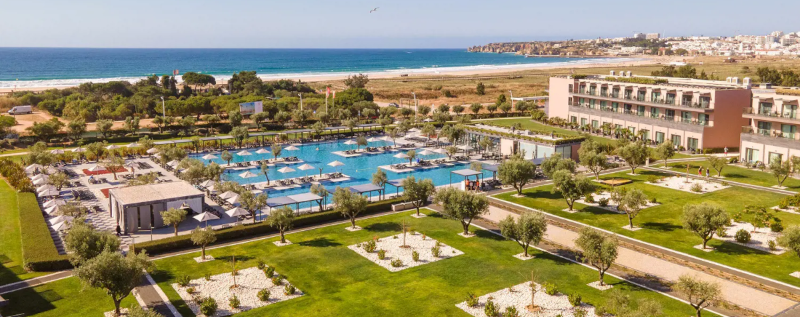
    Vila Gale Lagos offers an all inclusive and also a bed and breakfast option


    Introduction

    Dreaming of a stress-free holiday where everything, from breakfast to cocktails by the pool, is already paid for? That’s exactly what an all-inclusive hotel promises. Popular in beach destinations and tropical resorts, this type of stay attracts travelers looking for total relaxation. But is an all-inclusive resort really the best option for everyone? Let’s explore the main advantages and disadvantages before you book your next vacation.


    The biggest advantages of staying at an all-inclusive hotel

    The first and most obvious benefit is complete convenience. In an all-inclusive resort, you don’t need to worry about where to eat, how much to spend, or unexpected expenses, meals, drinks, snacks, and often entertainment — is included in one price.

    Another major advantage is budget control. Since everything is prepaid, you’ll know exactly how much your trip will cost. This makes all-inclusive holidays ideal for families, couples and groups of friends who want to enjoy their stay without stressing over bills. Regarding Comfort, most all-inclusive hotels offer top-notch facilities, multiple restaurants, themed bars, pools, gymnasium, spa and treatments and kids’ clubs. You can spend your entire holiday relaxing within the resort, knowing everything you need is right there.

    The downsides of an all-inclusive resort

    As convenient as it sounds, there are a few drawbacks to all-inclusive travel. The biggest one is lack of flexibility. Since you’ve already paid for everything inside the resort, it’s easy to feel like you must “get your money’s worth,” which often means staying on the property instead of exploring the destination.

    This can lead to missing out on authentic local experiences — trying regional food, meeting locals, or discovering hidden spots outside the resort. If you’re visiting a cultural or historical destination, that’s a real loss.

    Another factor to consider is the higher upfront cost. While all-inclusive hotels can be great value for money, they might not be worth it if you plan to spend most of your time sightseeing or eating out.

    Is an all-inclusive vacation worth it?

    It all depends on the travel style.
    If your goal is to relax, unwind, and enjoy a worry-free holiday, then an all-inclusive hotel is a perfect choice. You’ll have everything available.

    However, if you’re a curious traveler who loves exploring local culture, cuisine, and attractions, you might prefer a hotel with breakfast or half board. This way, you’ll have more freedom to discover the destination.

    At the end of the day, the best choice is the one that fits your travel goals. Whether you’re sipping a cocktail at a Caribbean resort or tasting local dishes in a charming town, the key is to make the most of your trip and enjoy every moment. Feel free to contact us to explore the best options for your next holiday.

    Posted in Uncategorized | Comments Off on All-inclusive in The Algarve

    Route of UNESCO World Heritage sites in Central Portugal


    Along a route of approximately 80 km in central Portugal, there are three towns with one thing in common: they all have a remarkable architectural ensemble classified as a UNESCO World Heritage Site, a testament to Portugal’s rich historical heritage.

    The route can start in any of the cities, although it is more advisable to start in Alcobaca or Tomar, with Batalha as an intermediate stop.


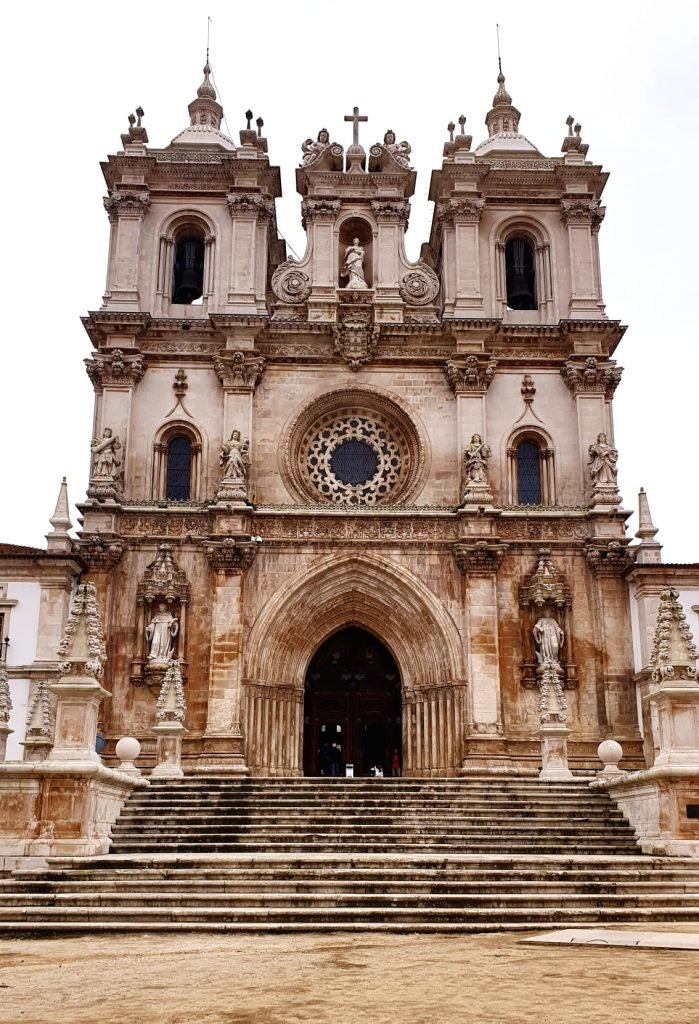
    Mosteiro de Alcobaca

    Classified as a UNESCO World Heritage Site in 1989.


    This imposing monastery is one of the most impressive and beautiful examples of Cistercian architecture in all of Europe. The Abbey’s founding charter dates back to April 8, 1153, and despite its nearly 900 years, it maintains its medieval outbuildings intact. Its church is the first and largest in the early Gothic style built in Portugal during the Middle Ages.

    Contemporaneous with the founding of Portugal, the Monastery also represents a bit of its history. Founded by the first king, Afonso Henriques, and immediately dedicated to Marian worship, it arose from the donation of the lands of Alcobaça to Bernard of Clairvaux and the Cistercian Order for their victory over the Moors in the conquest of Santarem.

    Construction began in 1178 and was completed approximately 100 years later. At the time, master masons of the Cistercian Order experimented with a new “style” of construction—Gothic—introducing this architectural style to Portugal.


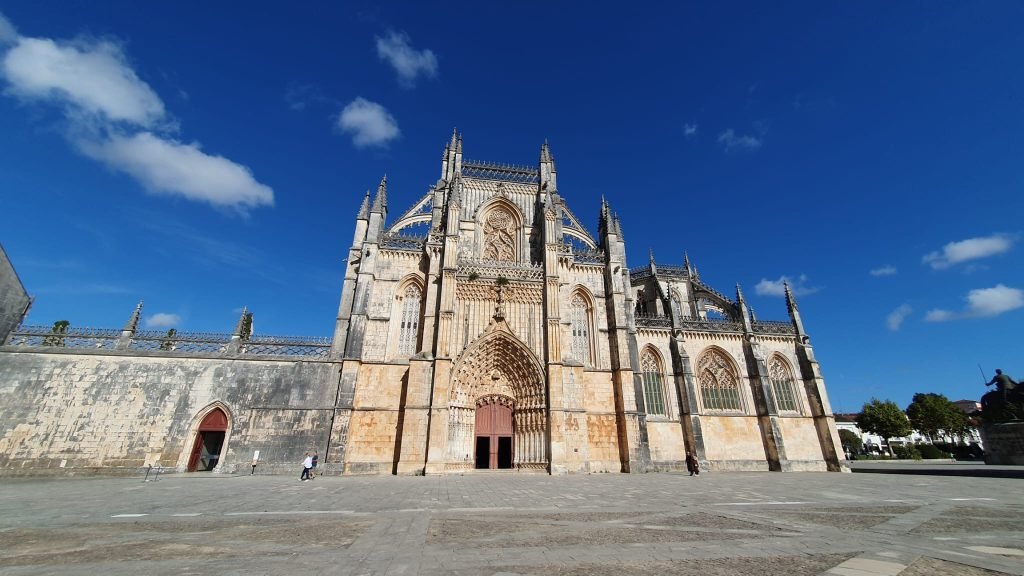
    Mosteiro da Batalha

    Classified as a UNESCO World Heritage Site in 1983.


    Near the site of the Batalha Monastery, a decisive event occurred on August 14, 1385, for the consolidation of the Portuguese nation: King John, Master of Avis and future King of Portugal, defeated the Castilian armies at the Battle of Aljubarrota. This victory ended a dynastic crisis that had been lingering since 1383, with the death of King Ferdinand, whose only daughter was married to the King of Castile, a pretender to the Portuguese throne.

    King John dedicated the monastery to the Virgin Mary, whom he had invoked to intercede for his triumph, and donated it to the Dominican Order, to which his confessor belonged. This was the reason for the birth of a project whose construction would last almost two centuries and which resulted in one of the most fascinating Gothic monuments in the Iberian Peninsula. The construction of the monastery also embodied the consecration of King John I as King of Portugal, thus establishing itself as a symbol of the new dynasty and legitimized by divine will.

    Construction spanned seven reigns of the second dynasty (1385-1580) and involved a vast team of highly skilled master masons, both national and foreign, initially led by Afonso Domingues until his death in 1402. During this period, part of the church and the royal cloister were built. He was succeeded by Master Huguet, an Englishman, who completed the church, built the founder’s chapel, and began the pantheon of King Duarte by 1438. Between 1448 and 1477, Fernão de Evora designed the cloister of King Afonso V, and in the 16th century, Mateus Fernandes was responsible for the Imperfect Chapels.


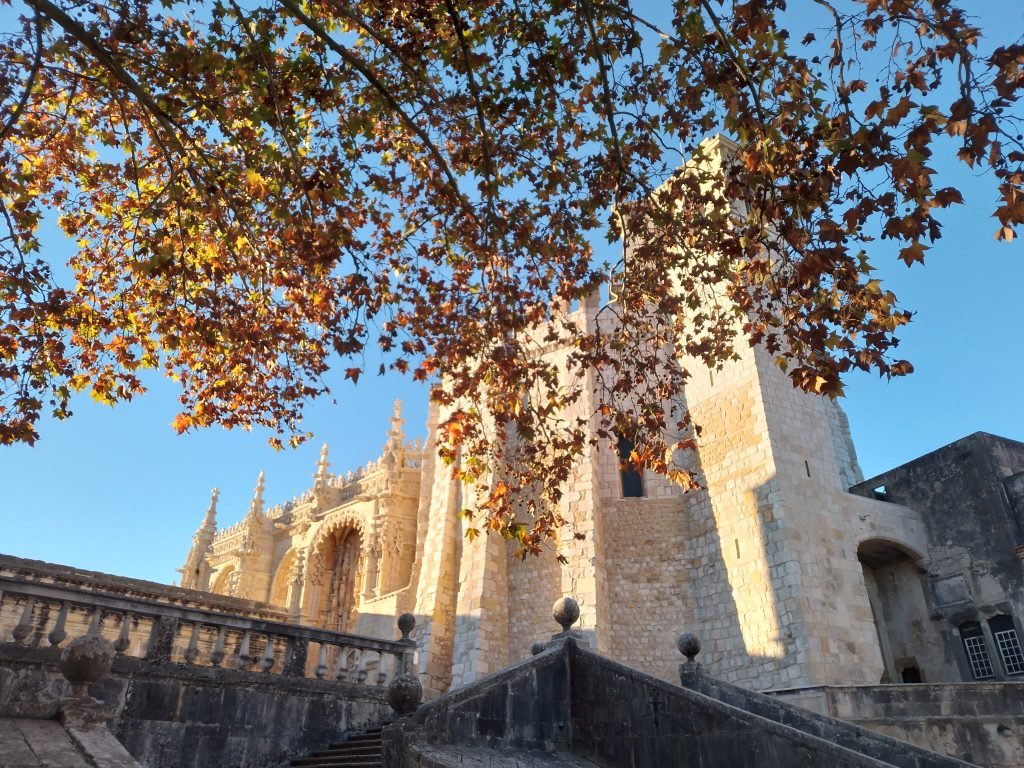
    Castelo Templario e Convento de Cristo de Tomar

    Classified as a UNESCO World Heritage Site in 1983.


    The Templar Castle and Convent of the Knights of Christ of Tomar were originally built on a Roman site of worship. This vast monumental complex bears witness to seven centuries of Portuguese history and important moments in Western history.

    At the very beginning of the kingdom of Portugal, D. Teresa and later her son, Afonso Henriques, first king of Portugal, successively bestowed upon the Knights of the Temple of Jerusalem vast areas of land between the Mondego and Tagus rivers. Legend has it that, on reaching this region, the Knights had the vision to choose a hill on which to establish a castle and the name that they were to give to it: Tomar. The year was 1160 and D. Gualdim Pais, the Provincial Master of the Order of the Temple, ordered the castle to be built and the region to be settled. This was the beginning of the town of Tomar.

    In order to establish an easy cohabitation between the town and the convent of the Knights Templar, the castle was built in three distinct walled enclosures, surrounded by an extensive outer wall. The largest enclosure, which faced southwards, was the walled town, whose gateway overlooked the area known as Sete Montes. In the sixteenth century, the town was emptied of its inhabitants and transformed into kitchen gardens and orchards for the monks of the Order of Christ.

    The round temple, built by the Templars, has its origins in the church that Emperor Constantine built over the Holy Sepulcher in Jerusalem. Over time, the enormous convent developed around the Templar church, including four large cloisters, the Manueline window, the Order’s infirmary, and the 6-kilometer-long aqueduct built by the Spanish king Philip III.


    Our travel experts will be glad to build an itinerary including the above locations. For more information please fill in the form in the front page – https://www.pousadasofportugal.com

    Posted in Uncategorized, Central Portugal | Tagged , , , , , , , | Comments Off on Route of UNESCO World Heritage sites in Central Portugal

    Walking the Camino: Where to Stay in Santiago

    Congratulations, you have arrived at Santiago de Compostela. After a long journey that allowed you to share experiences, overcome challenges, walk through valleys, hills, towns, and cities overcoming adversity, you arrived at your destination, Santiago.

    Whether it’s a spiritual quest steeped in symbolism or, a way to journey through history on foot, El Camino welcomes everyone, providing a unique and unforgettable experience, bringing together nationalities, origins and ideologies in a common purpose.

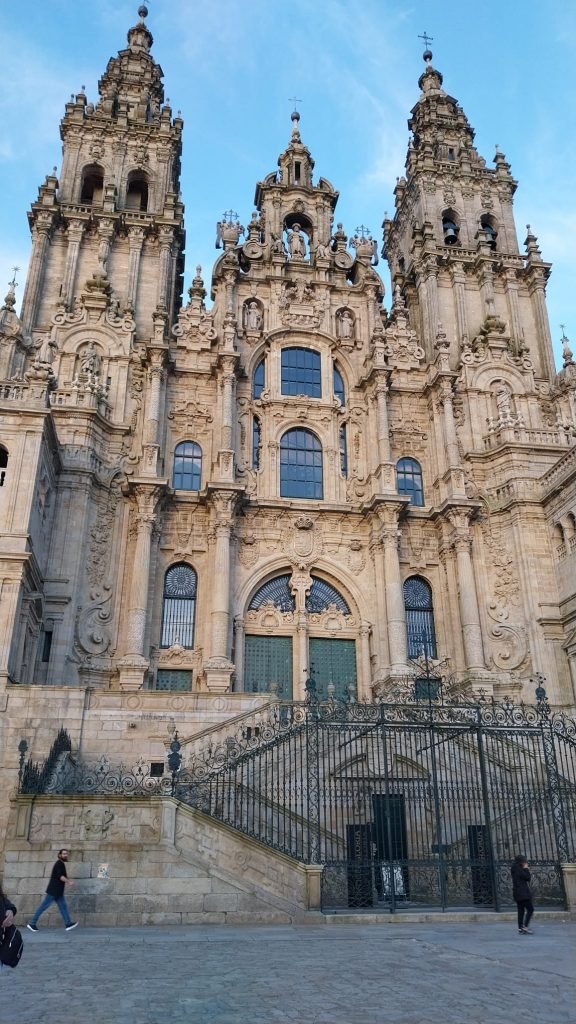
    Now that you’ve arrived in Santiago, why not stay a day or two and explore the city’s hidden corners, savour the local dishes and visit the most important sites like the Cathedral, Obradoiro Square, Quintana Square and the historic centre.  

    There is plenty of accommodation in Santiago de Compostela. much of it concentrated in the historic centre, but due to its popularity we recommend making reservations in adavance.

    Located in Obradoiro Square, the point where all pilgrims converge, is the Parador de Santiago de Compostela – Hostal dos Reis Catolicos.  This is the most iconic place to stay in Santiago but there are many other options such as:

    San Francisco Hotel Monumento

    Hotel Compostela

    From Santiago, why not follow in the footsteps of Santiago’s disciples and walk to Finisterre or Fisterre, the ‘end of the earth’, approximately 90 kms away.

    Posted in Uncategorized, Blog | Comments Off on Walking the Camino: Where to Stay in Santiago

    Why Visit Fatima? A Guide to Portugal’s Spiritual Capital

    Explore Fatima: A Sacred and Spiritual Journey

    Nestled in the heart of Portugal, Fatima is a small but deeply significant town which attracts millions of visitors from all over the world every year. Known for its deep spiritual and religious heritage, Fatima is a place of pilgrimage for Catholics marking the site of the 1917 apparitions of the Virgin Mary to 3 shepherd children in Cova da Iria. Whether you’re visiting for the religious history, the tranquility of the surroundings or the beauty of its landmarks Fatima offers something for every visitor.

    1. Sanctuary of Our Lady of Fatima (Santuário de Fatima)

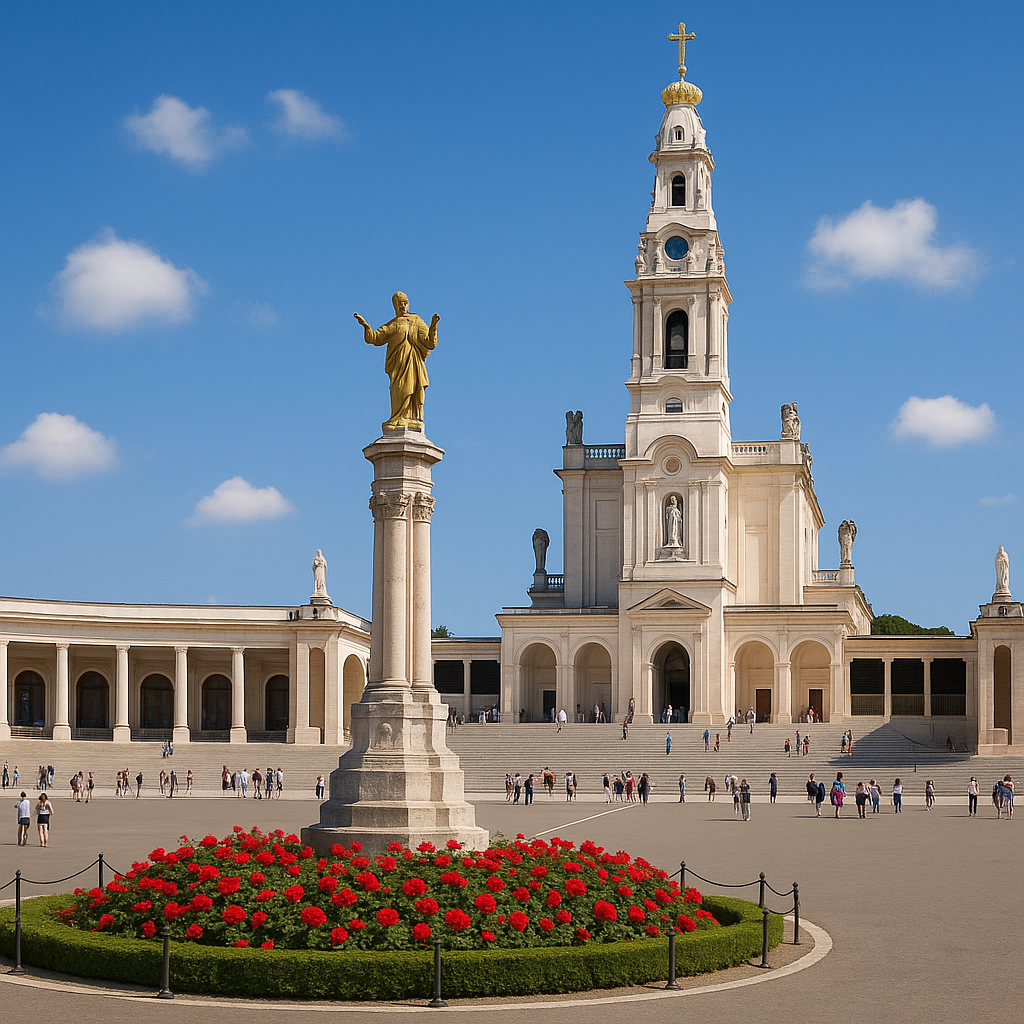
    The centerpiece of any visit to Fatima is undoubtedly the Sanctuary of Our Lady of Fatima, one of the most visited Catholic pilgrimage sites in the world. The sanctuary is composed of several important structures, the most iconic of which are:

    – The Basiica of Our Lady of the Rosary: This magnificent basilica is home to the tombs of the 3 shepherd children—Lucia, Francisco, and Jacinta. The architecture is striking with its white façade and large dome that towers over the surrounding area.

    – The Chapel of the Apparitions (Capela das Aparições): Located in the centre of the Sanctuary, this is the place the Virgin Mary is believed to have appeared to the children in 1917. Pilgrims gather here to pray, light candles, and reflect on the divine messages given during the apparitions.

    – The Square (Praça de Santiago): A vast, open space it is where visitors can participate in the evening candlelit processions, a deeply moving tradition that reflects the spirituality of Fatima. The square can accommodate thousands of pilgrims, especially during the celebrations held on 13 May and 13 October.

    2. The Basilica of the Holy Trinity

    Completed in 2007, this was an important addition to the Sanctuary. Its minimalist and contemporary design stands in stark contrast to the classical Basilica of Our Lady of the Rosary. The church, with its sweeping lines and spacious interior, serves as a spiritual space for reflection, prayer, and Holy Mass.

    3. The Fátima Wax Museum

    For a more historical and cultural perspective, the Fátima Wax Museum is a fascinating stop. It showcases life-size wax figures that recreate key moments from the apparitions of 1917, giving visitors a vivid representation of the events that made Fatima a worldwide symbol of faith. It’s an educational way to visit the story of Fatima.

    4. Valinhos and the Oak of the Apparitions (Cova da Iria)

    A short walk from the Sanctuary, you’ll find the Cova da Iria, the exact site where the apparitions occurred. A statue of the Virgin Mary marks the spot where the shepherd children saw her. The nearby Valinhos is another significant location, where the children reportedly saw Mary on other occasions. Visitors can reflect on the area’s deep spiritual meaning while walking through the beautiful countryside.

    5. The Parish Church of Fatima (Igreja Paroquial de Fatima)

    Just a few minutes’ walk from the Sanctuary, this is one of the oldest religious buildings in the area. It is worth visiting for its simple charm and historic value, as it was the church where the three shepherds were baptized.

    6. The Museum of the Sanctuary of Fatima

    If you’re interested in understanding the historical and religious context of Fatima, the museum offers a deeper look into the town’s religious significance.

    7. Aljustrel and Valinhos: Homes of the Shepherds

    Located less than 3 kms from the Sanctuary, the village of Aljustrel is the birthplace of the 3 shepherd children. It is possible to visit their family homes which have been preserved as simple but poignant reminders of their humble origins before the apparitions. Walking through Aljustrel offers a glimpse into rural life in the early 20th-century in Portugal.

    8. Fatima’s Surrounding Natural Beauty

    While Fatima is primarily known for its religious significance, the surrounding region is a lovely spot for exploration. The area around Fatima is dotted with picturesque hills, forests, and small villages, perfect for a more serene day out. Hiking or taking a leisurely drive through the Serra de Aire e Candeeiros Natural Park offers views of Portugal’s rural beauty.

    Fátima: More Than a Pilgrimage

    Fátima is not just a religious destination, but a place where history, faith, and natural beauty intertwine. Whether you’re seeking spiritual solace, a cultural experience, or simply to witness one of the worlds most important Catholic pilgrimage sites, Fatima welcomes all with open arms.

    Page with information on a suggested route including Fatima and Lisbon

    Posted in Uncategorized | Comments Off on Why Visit Fatima? A Guide to Portugal’s Spiritual Capital

    Madeira Flower Festival

    Spring brings renewed life to Nature and in Madeira island this becomes even more evident.

    Known for it’s natural beauty, particularly its diverse and unique flora, the island of Madeira celebrates the Flower Festival between 1 and 25 May 2025.

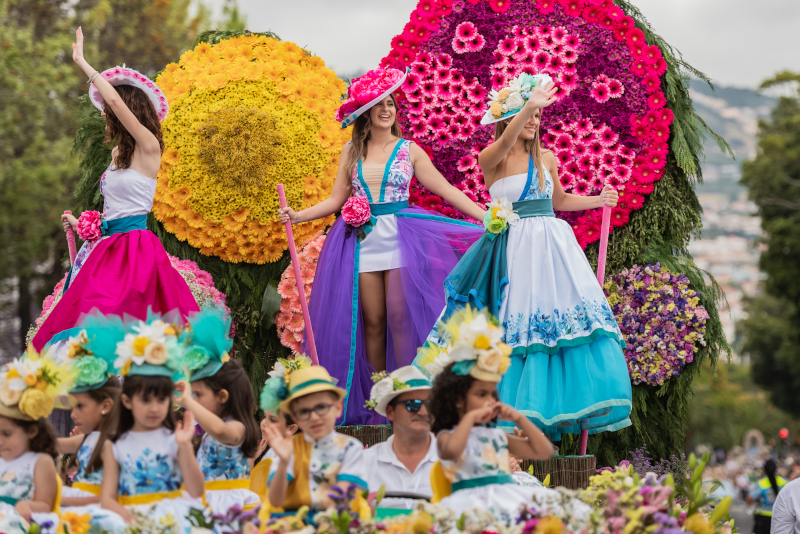
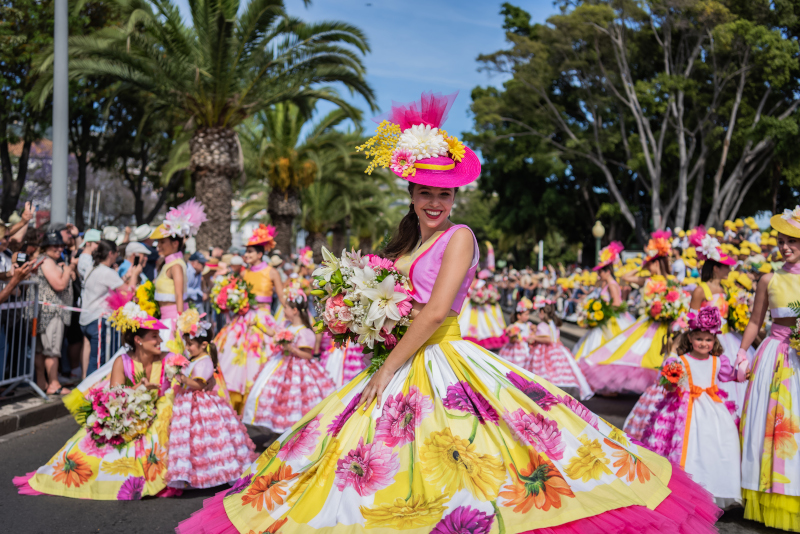
    Flower Parade in Madeira island

    Allegoric Flower Parade

    The Flower Festival is one of the most important and beautiful events in the Madeiran and Portuguese cultural scene, attracting thousands of visitors from all over the world. The island of Madeira becomes even more beautiful, colourful and fragrant, transforming the landscapes into an unforgettable setting.

    Allegoric Flower Parade

    With a diverse programme designed to enhance it’s natural and cultural heritage, the highlight is the Allegoric Flower Parade, an authentic celebration of the ritual of Nature renewal, an inseparable characteristic of spring with over 1000 participants.

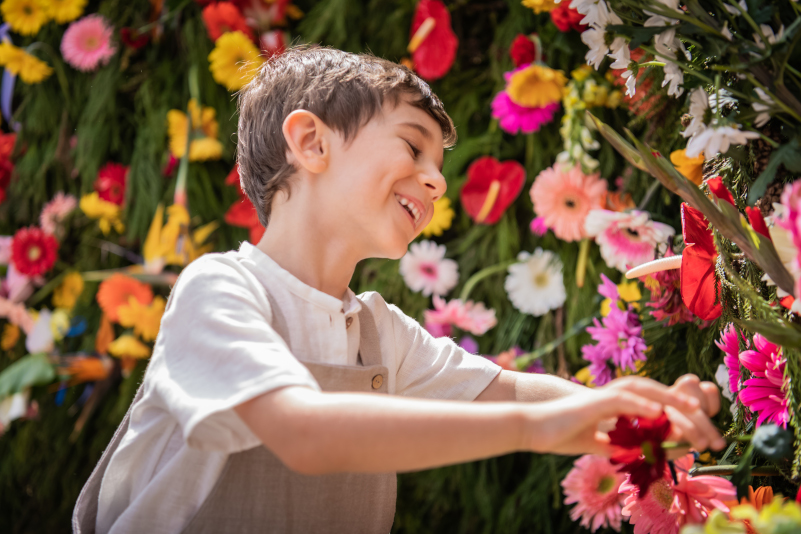
    From 1 to 25 May, visitors can enjoy the flower ‘carpets’ in various locations.  You can visit the flower and regional produce market, watch performances by cultural and folklore groups or, voisit the construction of the Wall of Hope in the Town Hall Square.

    Wall of Hope

    Wall of hope

    The best description of this event could not make justice to this unique event. The best option is to visit the island of Madeira and experience the unique Flower Festival.

    Accommodation in Madeira: Churchill Bay and Fisherman Village.

    Posted in Blog, Madeira | Tagged , , , , | Comments Off on Madeira Flower Festival

    Top Places to Stay in Southern Portugal

    Portugal is a fascinating place to visit and one of the most beautiful countries in Europe. From the rich history of the places and culture to the wonderful weather, few holiday destinations compete with Portugal. But with so many places to choose from, how do you pick the right place for you?

    Continue reading…
    Posted in Blog, Southern Portugal | Comments Off on Top Places to Stay in Southern Portugal

    48 Hours In: Funchal

    There is so much to see and do in Portugal that it’s a challenge to know where to even start! But don’t worry, we’re happy to lend a hand. We’ve previously showcased what you can get up to in the capital of the Algarve in our 48 Hours in: Faro blog – now, we’re taking a look at how to make the most of Funchal in only two days. Continue reading…

    Posted in Blog, Madeira | Comments Off on 48 Hours In: Funchal

    A Few Things You Should Know When You Visit Portugal

    Are you looking to plan your next trip? Portugal is a popular destination, so have you considered a holiday in a country so rich in history, beautiful architecture and delicious cuisine? Continue reading…

    Posted in Blog | Comments Off on A Few Things You Should Know When You Visit Portugal